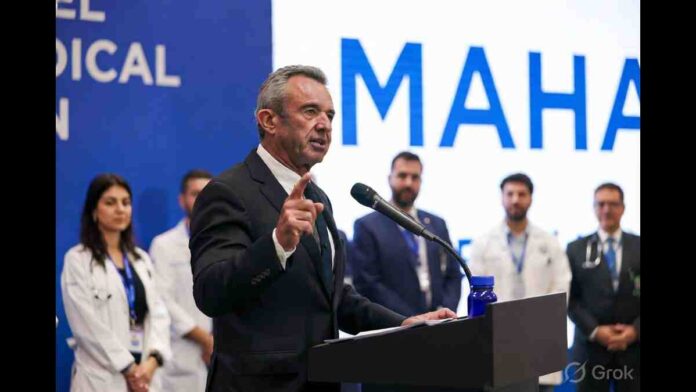
The U.S. Department of Health and Human Services (HHS) has taken a significant step toward reshaping mental health care in America. On May 4, 2026, HHS Secretary Robert F. Kennedy Jr. unveiled the MAHA Action Plan at a MAHA Institute summit focused on mental health and overmedicalization. This comprehensive initiative aims to address what officials describe as widespread overprescribing of psychiatric medications, with a strong emphasis on protecting children and adolescents.
The plan promotes more appropriate and cautious use of psychiatric drugs while encouraging deprescribing for patients who may not be experiencing clear clinical benefits. Secretary Kennedy highlighted the urgency during his address, stating that the nation must confront its mental health crisis by tackling the overuse of these medications, particularly among young people. He stressed the need for greater patient autonomy, informed consent, and shared decision-making between providers and families.
Central to the MAHA Action Plan is a multi-agency effort involving key HHS bodies such as SAMHSA, FDA, NIH, CMS, and others. These agencies will form a working group to thoroughly evaluate prescription patterns for antidepressants like SSRIs, antipsychotics, mood stabilizers, stimulants, and related drugs. The review will assess both potential benefits and harms, especially in pediatric populations where long-term effects remain a growing concern.
A major focus involves shifting the standard of care toward prevention and non-medication approaches. The plan calls for expanded support for therapy, family-based interventions, dietary and lifestyle changes, physical activity, and other evidence-based holistic solutions. HHS intends to roll out new clinical guidance, provider training programs, and policy adjustments to make these alternatives more accessible and reimbursable under insurance programs.
For frontline prescribers, the initiative includes child-specific training on thorough assessment, treatment planning, and timely referrals to specialists. Efforts to improve access to same-day consultations and expert support aim to reduce unnecessary initial prescriptions. Additionally, the plan supports safe tapering and discontinuation protocols for patients already on medication who wish to explore alternatives or no longer require pharmacological intervention.
This announcement aligns with the broader Make America Healthy Again (MAHA) agenda, which seeks to address root causes of chronic conditions rather than relying heavily on symptomatic treatments. Proponents argue that years of rising prescription rates have not proportionally improved mental health outcomes, particularly for youth facing unprecedented challenges from social media, academic pressure, and environmental factors.
The plan has sparked robust discussion across the medical community. While many welcome a more balanced approach and greater emphasis on informed consent, some professional organizations have urged caution to ensure patients who genuinely benefit from medication continue to have access without unnecessary barriers.
As implementation begins, HHS plans education campaigns, research initiatives, and updates to clinical practices that could influence how mental health care is delivered nationwide. The MAHA Action Plan represents a pivotal moment in redefining treatment standards, prioritizing long-term wellness over quick pharmaceutical fixes, and empowering families with more comprehensive options for supporting youth mental health.
This development could mark the start of a broader transformation in American psychiatry, moving toward personalized, evidence-driven care that carefully weighs the role of medication in a holistic treatment framework. Stakeholders across healthcare, policy, and patient advocacy will closely monitor its impact in the coming months.