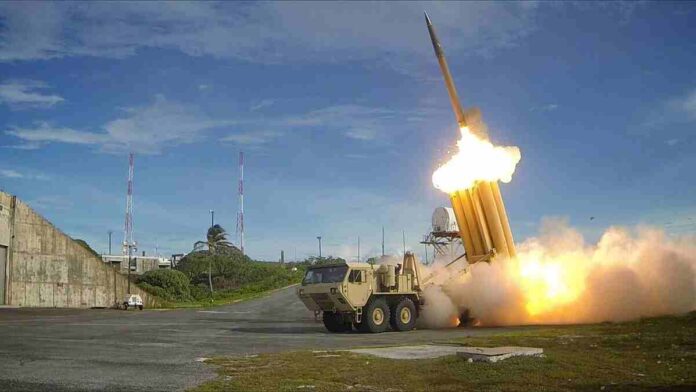
Tensions in the Middle East have sharply escalated following reports of a high-impact fighter jet strike linked to the ongoing Iran conflict. The development has raised serious concerns among global leaders, signaling a potential shift toward a more dangerous phase of confrontation in an already volatile region.
According to early reports, advanced fighter aircraft were deployed in a targeted strike that hit strategic locations believed to be connected to military operations. While official confirmations remain limited, multiple international sources suggest that the attack involved precision-guided munitions, highlighting the increasing sophistication of modern warfare in the region.
The incident comes amid rising hostilities involving Iran and its regional adversaries, with tensions building over the past months due to proxy conflicts, political disagreements, and disputes over military influence. This latest strike is being viewed by analysts as a significant escalation, potentially triggering retaliatory actions that could further destabilize the region.
Military experts point out that the use of advanced fighter jets indicates a deliberate and calculated approach rather than a symbolic show of force. Such operations require extensive planning, intelligence coordination, and technological capability, suggesting that the strike was intended to send a strong strategic message.
Global reactions have been swift, with several countries urging restraint and calling for diplomatic dialogue. International organizations are closely monitoring the situation, warning that further escalation could have far-reaching consequences not only for the Middle East but also for global security and economic stability.
One of the major concerns is the potential disruption of critical trade routes and energy supplies. The Middle East plays a vital role in global oil production, and any prolonged conflict could impact markets worldwide. Investors are already reacting cautiously, with fluctuations seen in energy prices and stock markets following the news.
The situation also highlights the growing role of advanced military technology in modern conflicts. Fighter jets equipped with stealth capabilities, precision targeting systems, and real-time data integration are reshaping how nations approach warfare. This evolution is making conflicts more unpredictable and potentially more destructive.
At the same time, the human impact of such escalations cannot be overlooked. Civilians in affected areas face increasing risks as military activities intensify. Humanitarian organizations have expressed concern over the potential for displacement, infrastructure damage, and long-term instability if the conflict continues to escalate.
Diplomatic channels remain active, but progress appears uncertain. Efforts to de-escalate tensions have been complicated by deep-rooted political divisions and competing regional interests. Analysts warn that without meaningful dialogue and compromise, the risk of further military action remains high.
The current situation serves as a stark reminder of how quickly geopolitical tensions can evolve into active conflict. It also underscores the importance of international cooperation in managing crises and preventing escalation.
As the world watches closely, the coming days will be critical in determining whether the situation stabilizes or moves toward a broader confrontation. The use of advanced military force has undoubtedly changed the dynamics of the conflict, placing the region at a crossroads with significant global implications.
In a rapidly changing geopolitical landscape, this latest development reinforces the urgency for balanced diplomacy, strategic restraint, and long-term solutions to prevent further escalation and ensure stability in one of the world’s most sensitive regions.